
Programs & Lessons
Practical, classroom-ready lessons for youth who are high school age and older. Each lesson comes with a lesson plan, a student handout, and a slide deck, grouped into four pillars: Learn the skills, Build security, Own your freedom, and Know our roots.
Each lesson here is a 60 to 90 minute program that covers practical life skills, like managing money. We're not experts, and these aren't official courses. They're a starting point to help you learn what you don't know yet, so you can take the next step toward higher education or find the right place to learn more.
Pillar 1
Learn the skills
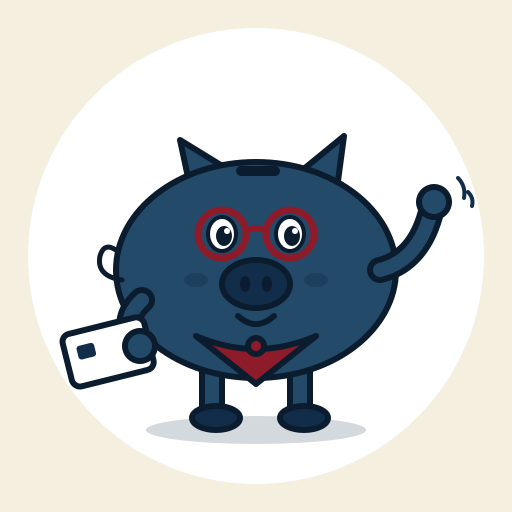 Penny, AI teacher
Bank Account Setup
AI-ready: Includes an optional AI teacher. Optimized for Grok; works on other AI platforms.
Learn what a bank account is, how checking and savings accounts differ, and what you need to open your first account.
Banking Trends
AI-ready: Includes an optional AI teacher. Optimized for Grok; works on other AI platforms.
A look at how banking is changing, from apps and AI to fintech and fraud, and how to stay safe and make smart choices as a customer.
Credit Fundamentals
AI-ready: Includes an optional AI teacher. Optimized for Grok; works on other AI platforms.
What credit is, how credit reports and scores work, and how to build and protect your credit so you can use it as a tool, not a trap.
Pillar 2
Build security
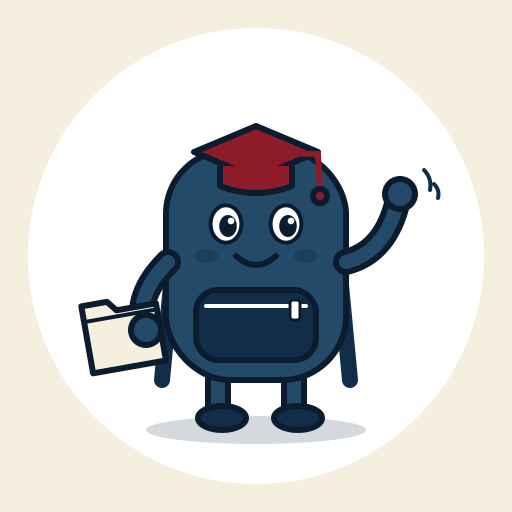 Milo, AI teacher
College Apps + FAFSA
AI-ready: Includes an optional AI teacher. Optimized for Grok; works on other AI platforms.
A practical, deadline-focused guide to starting college applications and the FAFSA the right way and on time.
SRPMIC Higher Ed Scholarship
AI-ready: Includes an optional AI teacher. Optimized for Grok; works on other AI platforms.
The Salt River Pima-Maricopa Indian Community Higher Education Program helps enrolled members pay for college or vocational school, but only when the application package is complete and on time. Students learn who is eligible, which documents go in the package, how the FAFSA and the Financial Need Analysis fit in, and how passing their classes can earn credit-hour incentive payments. They also learn the rules for staying eligible and where to find the current deadlines.
Student Loan Repayment
AI-ready: Includes an optional AI teacher. Optimized for Grok; works on other AI platforms.
How federal student loan repayment works, from the grace period to repayment plans, forgiveness, and avoiding default.
SRPMIC Tribal Trusts
AI-ready: Includes an optional AI teacher. Optimized for Grok; works on other AI platforms.
What a minors' per capita trust is, why the money is held and protected, and how to get ready before it becomes available. This lesson is taught in the context of the Salt River Pima-Maricopa Indian Community (SRPMIC).
AI and Jobs
AI-ready: Includes an optional AI teacher. Optimized for Grok; works on other AI platforms.
What AI is in plain words, which kinds of tasks it can help with or take over, and why a job being "exposed" to AI is not the same as being replaced. Students sort real tasks from more to less exposed, then plan the skills, training, and career steps that build job security.
Pillar 3
Own your freedom
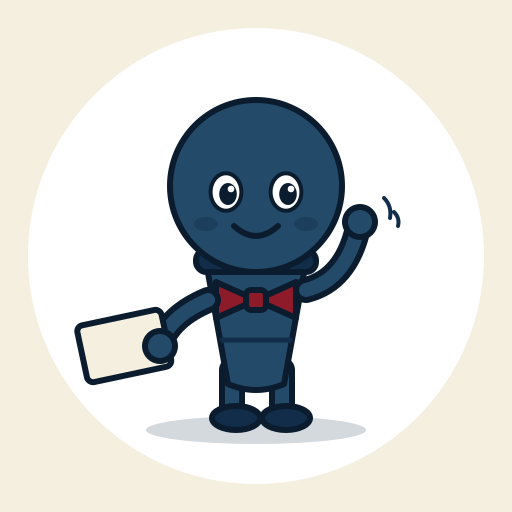 Remy, AI teacher
Public Speaking
AI-ready: Includes an optional AI teacher. Optimized for Grok; works on other AI platforms.
A hands-on, low-pressure lesson where students practice speaking to a group and build confidence one step at a time.
Debating
AI-ready: Includes an optional AI teacher. Optimized for Grok; works on other AI platforms.
An interactive introduction to structured debate, where students build strong arguments and practice disagreeing respectfully.
Pillar 4
Know our roots
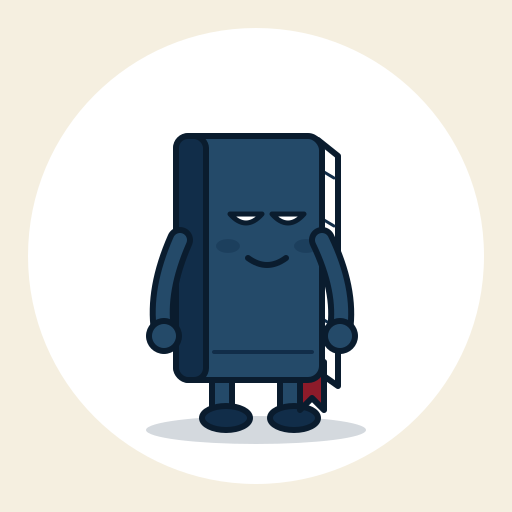 Archie, AI teacher
Ira Hayes history
Ira Hayes was an Akimel O'odham (Pima) U.S. Marine from the Gila River Indian Community in Arizona, and one of the six men in Joe Rosenthal's photograph of the second flag raising on Mount Suribachi, Iwo Jima, during World War II. Students learn about his service, the fame that never sat easily with him, and his struggles after the war, and how Sacaton still honors him with a memorial park, an annual parade, and a powwow. They practice telling a full, respectful story of service and struggle, starting with naming his tribe and community correctly.
Native American Code Talkers
Native service members turned their own languages into codes the enemy never broke. That started with Choctaw soldiers in World War I and grew in World War II to Navajo, Comanche, Hopi, Meskwaki, and other nations. Students learn how the code worked, why it was kept secret for decades, and how language, discipline, and story are strengths they still carry today.
Pocahontas
AI-ready: Includes an optional AI teacher. Optimized for Grok; works on other AI platforms.
Pocahontas, also known as Matoaka, Amonute, and later Rebecca, was the daughter of Wahunsenaca (Chief Powhatan), paramount chief of the Powhatan tribes of Tidewater Virginia. Students compare the written record, the Mattaponi oral history, the 1995 Disney film, and artworks such as Baptism of Pocahontas in the U.S. Capitol Rotunda, and they learn why parts of her story, such as the John Smith 'rescue,' are disputed. They practice telling a Native woman's story accurately and respectfully, and they learn that her people, including the Pamunkey and Mattaponi, are still here today.
About the optional AI teacher
AI-ready lessons include an optional AI teacher. They're optimized for Grok and also work in other AI chatbots. Pick the AI option and you'll also get a chatbot prompt and the lesson plan. Load both into Grok, ChatGPT or a similar chatbot, then type: Teach this class as [teacher], using the lesson plan for the lesson flow. It only knows what's in that chat and gives general education, not personal financial advice.
Read why we recommend Grok and see the independent chatbot bias benchmarks →